Paisajes de la Zona Central de Chile
Cargado por
Irma Alvarado AravenaPaisajes de la Zona Central de Chile
Cargado por
Irma Alvarado AravenaCommon questions
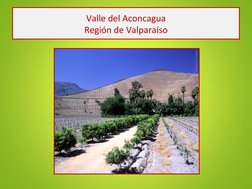
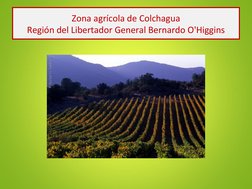
Con tecnología de IAAgricultural practices in central Chile, particularly in regions like Colchagua, leverage the area's fertile soil and moderate climate to produce a wide range of crops, including grapes for viticulture, which is a significant economic driver . In contrast, the more humid and forest-dominated southern regions focus less on traditional agriculture and more on forestry and aquaculture, utilizing their natural forestation and water bodies . These differences reflect how regional climatic conditions dictate agricultural practices and outputs.
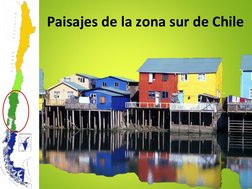
As one moves from the central zone to the southern zone of Chile, the climate becomes increasingly humid, leading to landscapes characterized by vast forests and numerous lakes in the southern regions like Araucanía and Los Lagos . This climatic transition supports different economic activities, where the central zone focuses on agriculture due to its moderate climate, while the southern zone emphasizes forestry and fishing, capitalizing on its rich natural water bodies and dense forests . This shift illustrates how climate directly influences regional economic practices.
The varying landscapes of Chile from the arid north to the humid south present unique challenges for the unified implementation of environmental policies. Each region features distinct environmental issues, such as water scarcity in central agricultural areas versus deforestation in the southern forested regions . Unified policies must address these diverse ecological conditions, requiring adaptable strategies that consider local conditions. This complexity necessitates a decentralized approach, where regional authorities have autonomy to tailor policies that effectively address local environmental challenges while aligning with national preservation goals .
The southern zone's diverse landscapes, from imperial forests in La Araucanía to numerous lakes in Los Ríos and Los Lagos, present both opportunities and challenges for regional development and planning. The rich natural resources support industries like forestry and tourism, which are central to economic development. However, the rugged terrain and variable climate also pose infrastructure challenges, necessitating careful planning to balance growth with environmental conservation. Effective regional planning must therefore integrate sustainable practices to leverage these landscapes while mitigating environmental impacts .
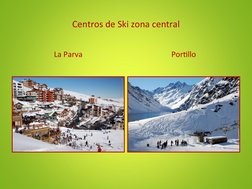
Ski centers like La Parva and Portillo are integral to the central zone of Chile's tourism sector, attracting both domestic and international tourists seeking winter sports experiences . The influx of tourists boosts local economies through increased demand for hospitality services, transportation, and retail, thereby creating jobs and stimulating investment in related infrastructure. This seasonal attraction complements the region's agricultural activities, diversifying and stabilizing the economic landscape of the central zone .
The central zone's mild climate and fertile lands support robust agricultural activities, which significantly shape its cultural and economic identity, leading to a focus on viticulture and traditional agriculture . Contrastingly, the southern zone, with its humid climate and rich water bodies, develops a unique cultural identity around forestry, fishing, and tourism, leveraging its abundant natural beauty and diversity . This distinction in climatic and geographical traits fosters distinctive cultural practices and economic activities that define each region's identity.
The transition from agricultural to forest-dominated landscapes as one moves southward in Chile results in significant socio-economic implications. In the central zone, economies are often centered around agriculture, particularly viticulture, which shapes local lifestyles and provides consistent employment . In the southern region, the dominance of forests and lakes shifts the socio-economic focus to forestry, aquaculture, and eco-tourism, promoting seasonal employment and investments in conservation . This transition affects population distribution, rural development, and infrastructure, necessitating adaptive regional policies to maintain economic balance and social stability.
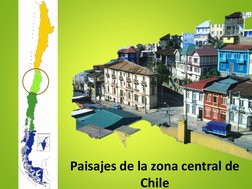
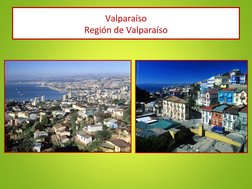
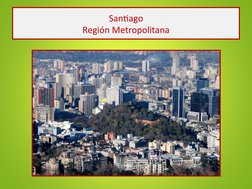
The central zone of Chile is characterized by diverse landscapes, including coastal areas like Valparaíso and Viña del Mar, and agricultural regions such as Colchagua in the Región del Libertador General Bernardo O'Higgins . This area is known for its mild climate and significant agricultural output. In contrast, the southern zone, comprising regions like Araucanía and Los Lagos, features a more humid climate with extensive forests and numerous lakes, reflecting a shift to a more varied and moist ecosystem . Both zones showcase Chile's geographical diversity but differ significantly in their climate and predominant natural features.
Chile's diverse natural landscapes and climates contribute significantly to its global competitiveness by supporting a range of industries such as agriculture, viticulture, mining, forestry, and tourism. The central zone's fertile land sustains agricultural exports, while the southern zone's dense forests and lakes bolster the forestry and aquaculture sectors, attracting global investments . The unique climates and terrains also enhance tourism, offering distinct experiences that appeal to international visitors. These diversified economic activities allow Chile to position itself as a leader in multiple global markets, leveraging natural advantages for economic growth .
The southern regions of Chile face significant infrastructural challenges due to their humid climate and diverse landscapes, such as dense forests and numerous lakes . These conditions complicate the construction and maintenance of transport and communication networks, necessitating special engineering solutions to contend with high precipitation and erosion. Moreover, the need to balance development with environmental preservation presents additional planning difficulties. This requires comprehensive strategies that address weather-related disruptions while promoting sustainable growth .